
Trauma, Hypervigilance & Recovery for Veterans
If you picked up this handbook, there is a good chance that some part of you is tired.
Not weak. Not broken. Just tired.
Tired of always feeling “on.” Tired of carrying pressure, responsibility, hypervigilance, exhaustion, anger, numbness, guilt, or emotional weight that never fully seems to switch off.
Tired of trying to explain experiences that are difficult to put into words. Tired of feeling disconnected from yourself, from other people, or from the version of you that existed before survival mode became normal.
For many veterans, the body learns how to survive long before it learns how to rest again.
Military culture teaches discipline, endurance, emotional control, adaptability, and functioning under pressure. These qualities can save lives. They can help people survive environments most civilians will never fully understand. But the nervous system often carries those survival responses long after service has ended.
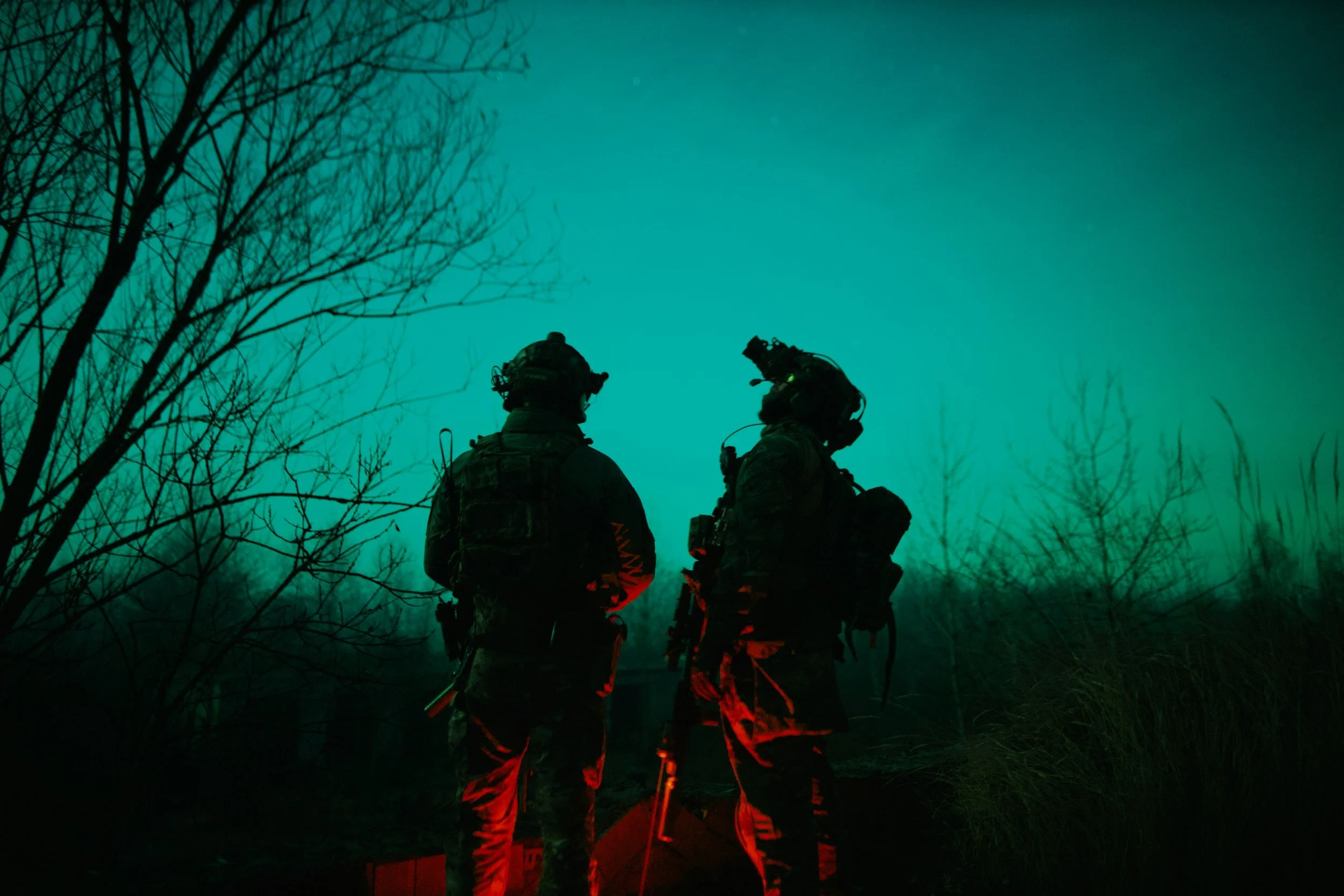
Many veterans leave operational environments physically home, while internally still remaining on alert.
This handbook was written with that understanding in mind.
Not from the perspective that veterans are “broken,” but from the understanding that the human nervous system adapts powerfully to prolonged stress, trauma, hypervigilance, responsibility, operational readiness, and survival. Many of the responses veterans experience — emotional shutdown, irritability, numbness, burnout, hypervigilance, overworking, emotional guarding, sleep difficulties, avoidance, or feeling unable to relax — are not signs of weakness. They are often signs of a nervous system that learned how to survive difficult environments for a very long time.
The problem is that survival mode is exhausting when it never fully switches off.
This handbook is not designed to shame you, diagnose you, or tell you to simply “move on.” It is designed to help you better understand what may be happening inside your body and nervous system, and why recovery can sometimes feel so difficult even when life on the outside appears stable.
More importantly, this handbook was written to remind you that you are not alone in these experiences.
Many veterans silently carry enormous emotional and physiological weight while continuing to function every day. Some people become highly skilled at appearing “fine” while internally feeling exhausted, disconnected, emotionally overwhelmed, or trapped in constant readiness.
You do not have to earn support by completely falling apart first.
You do not have to wait until burnout, isolation, anger, emotional shutdown, or exhaustion completely consume your life before acknowledging that your nervous system has been carrying too much for too long.
Healing also does not mean losing your strength.
The discipline, resilience, awareness, adaptability, loyalty, and endurance developed through service are real strengths. Recovery does not erase those things. Recovery simply involves helping the nervous system learn something else alongside survival — safety, rest, connection, grounding, emotional regulation, and life beyond constant hypervigilance.
Some parts of this handbook may feel confronting. Some sections may explain experiences you have never had words for before. Other parts may simply help you realise that the way your body reacts actually makes sense in the context of what you have lived through.
Take your time with it.
There is no correct pace for recovery.
Some days healing looks like progress.
Other days it simply looks like surviving a difficult moment without shutting down completely. Both still matter.
Most importantly, I hope this handbook helps you understand one thing clearly:
Your nervous system adapted to survive. That does not make you weak.
And you were never meant to carry all of this alone.
To every veteran reading this — whether you are thriving, surviving, struggling quietly, or simply trying to get through one day at a time — this handbook was written with deep respect for the reality of what prolonged stress, trauma, responsibility, and service can do to the human nervous system.